Background
What Are the 7 Deadly Sins?
Pride, greed, lust, envy, gluttony, wrath and sloth — where the list came from, what each word originally meant, and why sloth is not laziness.
The short answer
The seven deadly sins are pride, greed, lust, envy, gluttony, wrath and sloth. The list is not in the Bible. It grew out of the desert tradition of early monks, and the version most people know was fixed by Gregory the Great around the year 590.
That matters for one reason: the sins were never meant as a personality system. They were a checklist for self-examination — seven questions to ask yourself at the end of a day.
Each sin, and what it used to mean
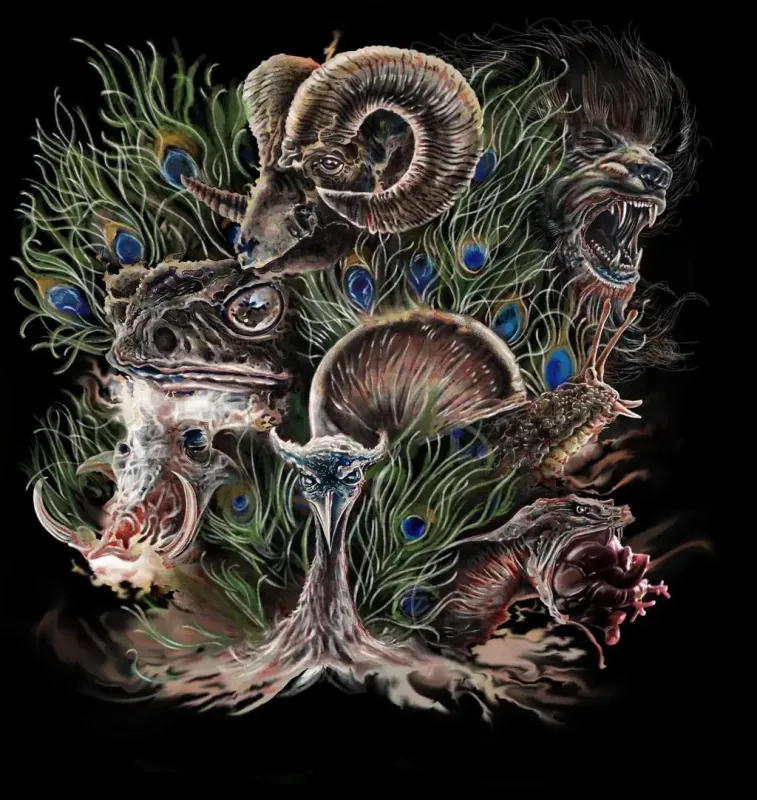 Pride (superbia) was placed first for a reason. The old writers argued that every other sin borrows from pride, because pride is what makes a wrong thing sound reasonable. It is the belief that you are the centre of the story.
 Greed (avaritia) was not only about money. It was the appetite for more than you need, usually dressed up as security. The old preachers noticed that greedy people rarely feel rich, whatever number they reach.
 Lust (luxuria) in the old sense was broader than sexual desire. It was wanting to be wanted, and letting that want make your decisions. It is the sin of the late-night reread message.
 Envy (invidia) was treated as the strangest of the seven, because it is the only one that gives the person feeling it nothing at all. It is pain at someone else's good fortune, and it grows fastest where people are close to one another.
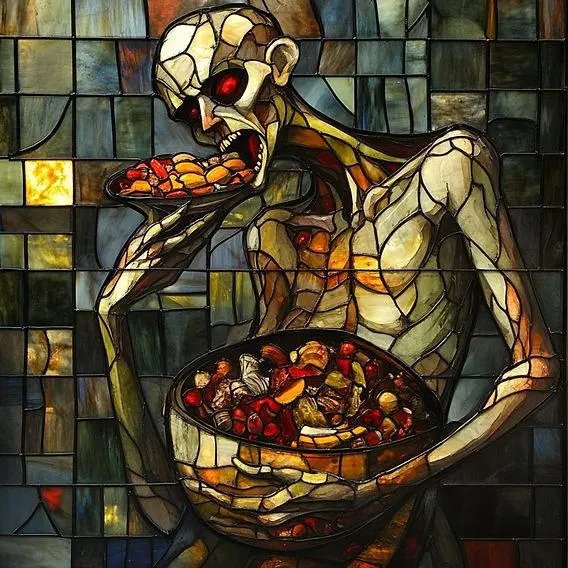 Gluttony (gula) was about taking more than you need of anything — food, drink, attention, episodes. The medieval writers were less worried about one big feast than about the habit of never letting a feeling finish.
 Wrath (ira) was anger that moves faster than thought. It was not condemned as simply bad: the tradition recognised that anger often protects something real, like fairness or someone smaller than you. The problem was the speed.
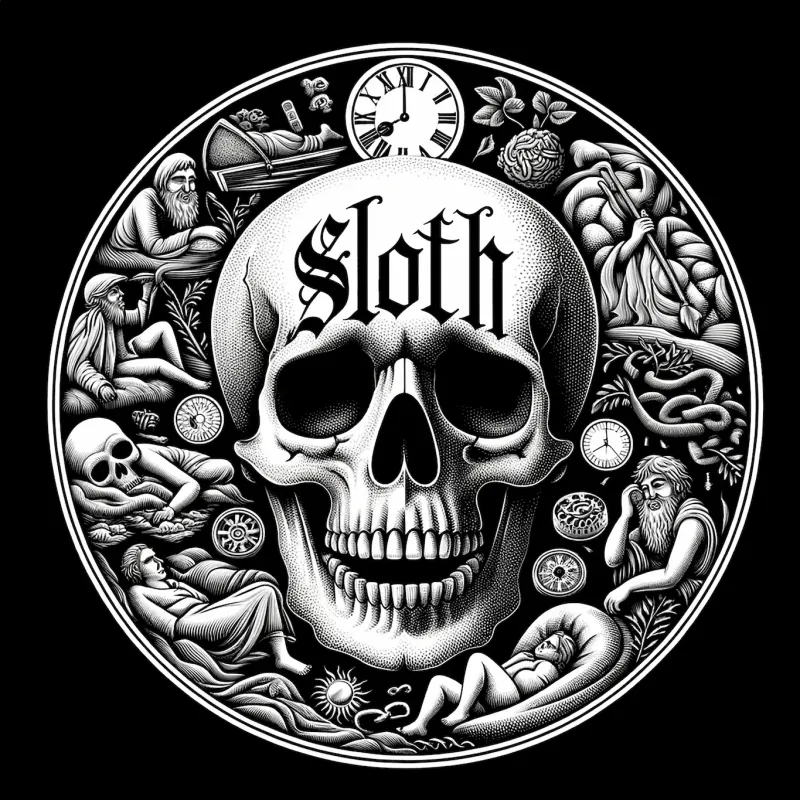 Sloth (acedia) is the most misunderstood. It was not laziness. It meant a kind of boredom with your own life — the quiet refusal to engage with the thing that actually matters. A person can be busy all day and still be deep in sloth.
Why sloth is not laziness
Laziness is about effort. Sloth is about meaning. The old monks described acedia as the noon demon: the hour when nothing is wrong and nothing is worth doing. That is why sloth is hard to spot. The person in it usually looks tired rather than idle.
Are the seven deadly sins in the Bible?
No, not as a list of seven. The Bible has warnings against greed, pride and anger throughout, but the formal sevenfold list was assembled later. The Catechism of the Catholic Church still teaches the list, and calls them "capital" sins — capital from the Latin for head, meaning they are the heads from which other faults grow.
Why people still use the list
Because it is a surprisingly practical map. Most modern self-help advice rediscovers one of these seven and gives it a nicer name: comparison is envy, doomscrolling is gluttony, burnout is sloth. The old words are blunter, and sometimes that is what makes them useful.
If you want to see which one pulls hardest on you, the 25-question 7 deadly sins test on the home page turns this list into seven percentages. Read this page first if you like context; take the test first if you like surprises.
Common questions about the seven deadly sins
Are the seven deadly sins in the Bible?
No. The Bible warns against greed, pride, anger and sexual immorality in many places, but it never gives a list of seven deadly sins. The sevenfold list was assembled by later Christian writers, most famously Gregory the Great in the sixth century.
What are the seven deadly sins in order?
Pride, greed, lust, envy, gluttony, wrath (anger) and sloth. Older lists sometimes had eight, with vainglory and sadness counted separately; Gregory the Great combined them into seven.
Why is sloth considered a deadly sin?
Sloth is usually the one people get wrong. Its Latin name was acedia, and it meant a boredom with your own life and a refusal to engage with what matters — not simply being lazy.
Why are they called capital sins?
Capital comes from the Latin caput, meaning head. The sins are called capital because they are treated as the heads from which other faults grow, not because they are unforgivable.